
BY CEARRA O’HERN
After a long, cold, storm-filled winter, spring is finally knocking on our doorstep. With warmer weather, sunshine and blooming flora so close, we need to consider the critters and creatures that do so much of the heavy lifting to bring the season
into full swing—pollinators.
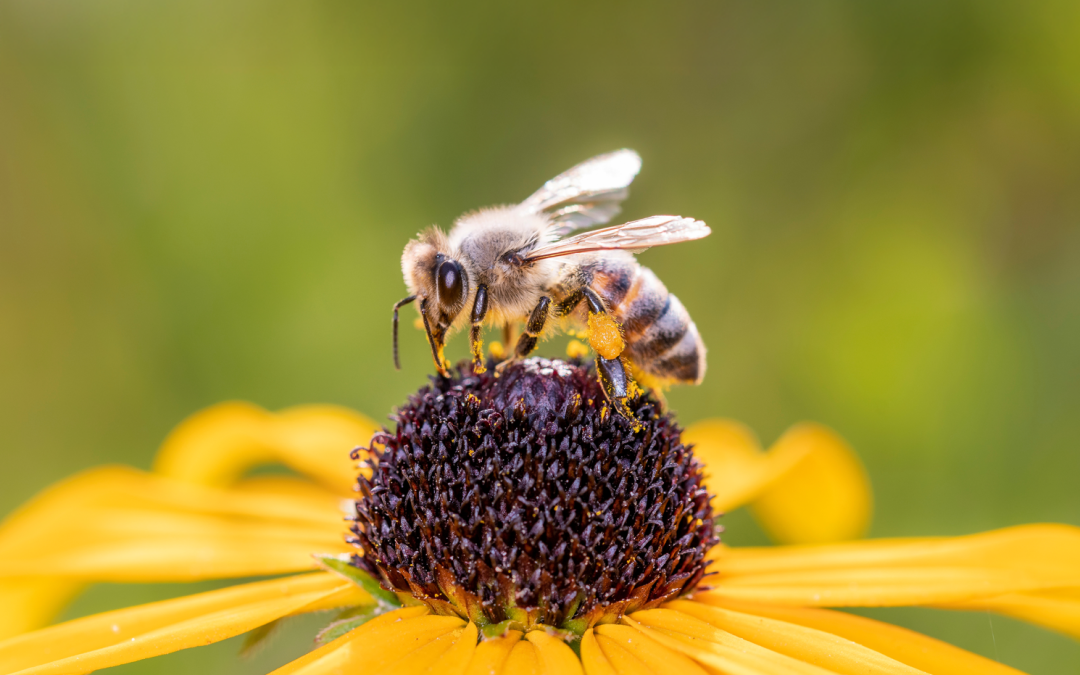
Pollinators are birds, bees, butterflies and other insects; bats and other mammals; and rodents and amphibians that move pollen from one plant to another, engaging cross-fertilization and the reproduction and growth of new plants. According to Pollinator Pathway Cape Cod, about 35% of our food supply depends on pollinators.
And still, our pollinators are threatened by the widespread application of pesticides and other lawn chemicals; landscaped plantings and agricultural crops; climate change and the loss of larval host plants; the loss of habitat as more natural environments become housing or commercial developments; and the spread of invasive—or nonnative—plants.
 As Cape Cod gardeners, we must learn how to garden for pollinators this spring.
Let’s first identify our pollinators. Our native pollinators include butterflies, wasps, moths, flies, beetles, hummingbirds and 400 species of bees, according to Pollinator Pathway Cape Cod.
Bees are essential in creating successful, flourishing gardens. If bees are attracted to your flora other insects, like butterflies and moths, will also swing by. The majority of our bees are solitary nesters, and many of our bees nest in the ground. Bumblebees, using “buzz pollination,” are two to four times more effective pollinators than honeybees.
Although bees are crucial for pollination, other insects remain important, including moths. Moths take the nightshift of pollination, as their hairy underbellies make them very efficient in moving pollen.
Protecting native pollinators is key to successful crops, plant reproduction in wild areas and backyard vegetable gardens. Well-designed pollinator gardens featuring native plants—plants that are accustomed to the Cape’s environment—provide gardens that bloom all season and offer necessary refuge for native pollinators.
As for attracting native pollinators, the easiest way is to garden with native plants, plants that thrive in our sandy soils and salt-sprayed air. Native plants provide the best nectar and pollen for local bees, butterflies and other insects.
For native pollinators, native plants are a necessary component of their life cycle and are a source of food, cover and nesting habitat. Native plants have specialized relationships with our pollinators, and growing native plants conserves water, avoids pesticide and fertilizer use, and supports local insects and birds.
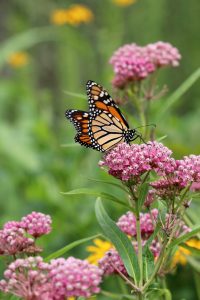
 Cape Cod is home to numerous native plant species, including beach plum, swamp milkweed, New England aster, goldenrod and highbush blueberry.
You can also plant flora or greenery by season to support our local pollinators with continuous bloom. For spring blooms, willow in tree or shrub form, pussytoes, violets and daisy fleabane will attract bees, butterflies and other pollinators; for summer blooms, plant black-eyed Susans, mountain mint, wild yellow Indigo and dill; and for fall blooms to finish the garden season, goldenrod and white heath aster will welcome our pollinators.
For more information about selecting pollinator-friendly native plants, reference the Massachusetts “Choosing Pollinator-Friendly Native Plants in Home Gardening or Landscaping” webpage.
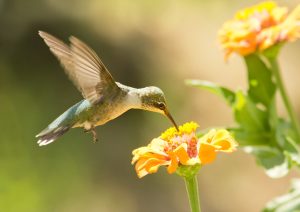
Planting in clusters also helps our pollinators find food more easily, but that is not the only way to garden this spring. Even the smallest green spaces, such as flowerboxes, curb strips or pots of native plants on your patio, can support our local pollinators, as they travel short distances and thrive on native plant resources for pollen, nectar and habitat. You can mix and match native species or grow plants singly in containers to attract a range of butterflies, hummingbirds, bees and other pollinators.
Pollinators need more of a native plant than just its flowers. Our pollinators use stems, branches, shrubs, wildflowers, leaf litter, undisturbed ground, bare ground, dead wood, brush piles and rock piles through the seasons.
You can leave some stems and leaf matter standing over the winter, as many native bees and insects nest inside those materials.
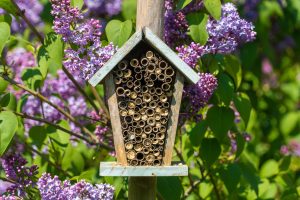
 For ground-nesting bees, preserve sandy patches for habitat. Since most of our bees are solitary nesters, consider installing a bee house, a structure designed to provide shelter for solitary bees.
To further support and attract our local pollinators, you can also reevaluate your lawn care. Traditional, cut lawns offer almost no food or shelter for pollinators.
You can reduce the size of your grass lawn by replacing sections with native plant beds or creating a small meadow area. You can also mow your lawn less or skip mowing during peak bloom times, which will also save energy, money and time, and add clover to lawn mixes to welcome pollinators.
Chemicals such as pesticides and herbicides harm local pollinators, lawns and individuals, including those who tend gardens. To manage your garden in an eco-friendly way, you can hand weed, introduce organic soil-building methods or let sections of your outdoor space grow naturally.
Supporting our pollinating critters and creatures extends beyond the edges of your lawn or gardening beds. As Cape Cod gardeners, we must support local conservation efforts and protect dunes, marshes and woodlands that preserve biodiversity, including our native pollinators.
You can encourage neighbors to plant native species that will attract bees, butterflies, moths and other pollinators, and advocate for pollinator-friendly landscaping in your town and across Cape Cod. You can also register your garden as part of Pollinator Pathway Cape Cod, a local conservation and education initiative that grows and connects pollinator-friendly habitats across the region.
Gardening for our local pollinators is essential in welcoming and celebrating spring. We need our pollinators, and we should do as much as we can to support their efforts.
The next time you see a butterfly float onto a flower or a hummingbird speed from one plant to another, make sure to thank the pollinators for all their work in finally bringing spring to the Cape.